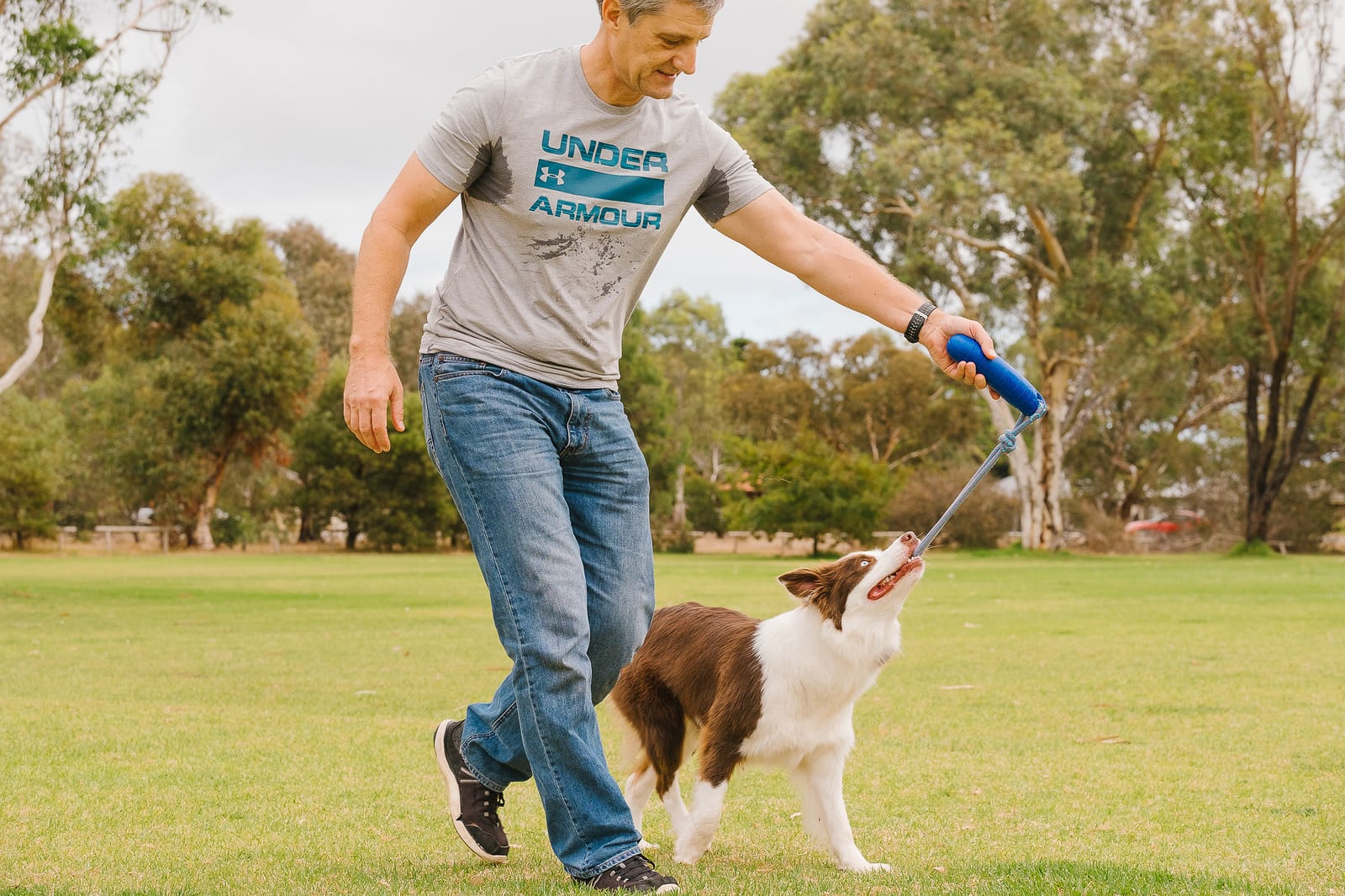
I’ve noticed some handlers get defensive when you talk about training in terms of "investment" or "efficiency," especially in the "balanced" or "positive-only" spaces. But when you’re working with eyes as fast as a Border Collie’s, I haven’t found a better way to describe the stakes. If you aren't calculating the return on your training sessions, you aren't building a partner, you’re just keeping a dog busy.
Return on Training Investment (ROTI) is exactly what this is.
I’m not talking about titles or ribbons. I’m talking about how you spend your dog’s mental bandwidth, your own focus, and the clarity of your communication. Sometimes the payoff is immediate, but often it takes months of foundational work. Eventually, you feel it, the dog is more "on the eye," the connection is stable, and the partnership becomes quiet but undeniable. That’s the payoff. Just like you track progress in a training log, you can track what’s actually paying off in your dog’s psychology. Not every session will be a breakthrough, and that’s fine. But once you start noticing what builds "the eye" (vs. what just drains their adrenaline), it gets easier to shift your efforts toward the work that actually sticks. Once those foundational wins start compounding, every complex task downstream. agility, herding, or off-leash reliability, starts to get lighter. Before we look at the drills, we have to ask the real question: